Narita to Tokyo: What Actually Works (And What's a Waste of Money)
Narita Airport is about 60 kilometers east of central Tokyo. That sounds close until you realize it can take anywhere from 40 minutes to two hours to get into the city, depending on what you choose. I’ve tried most of the options at this point, so here’s what actually works.
By Train (The Best Option for Most People)
Trains are fast, reliable, and run on time — this is Japan, after all. You have three main choices.
Narita Express (N’EX)
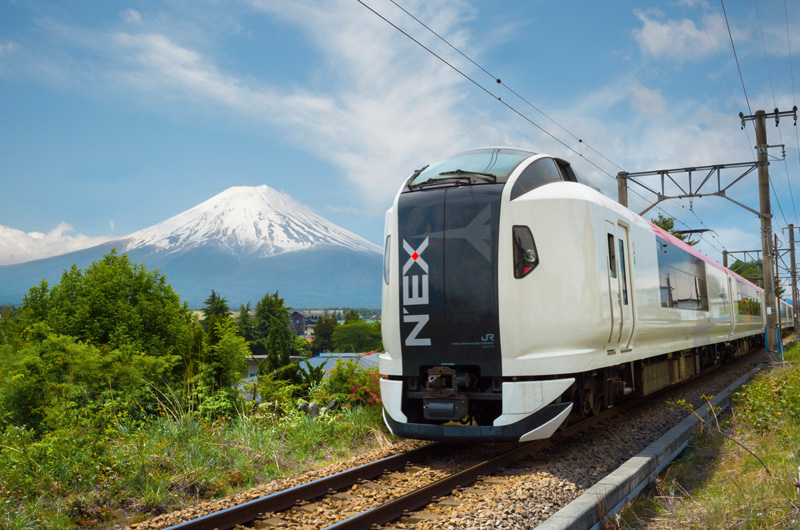
This is the one most visitors default to, and for good reason. It runs direct to Tokyo Station in about 60 minutes, with some services continuing to Shibuya and Shinjuku. A one-way ticket costs around ¥3,250.
If you’re a foreign tourist, look for the N’EX Tokyo Round Trip Ticket — it brings the effective one-way cost down to about ¥2,035. That’s a solid deal.
The trains are clean, spacious, and have overhead luggage racks that actually fit full-size suitcases. You can reserve a seat in advance, which I’d recommend during peak hours.
Keisei Skyliner
The Skyliner is faster and slightly cheaper — 36 minutes to Nippori, 41 minutes to Ueno, for about ¥2,570. Foreign tourists can snag a discounted ticket online for around ¥2,200.
The catch: it drops you at Ueno or Nippori, not Tokyo Station. If your hotel is in Shinjuku or Shibuya, you’ll need to transfer. But if you’re staying in the east side of the city — Ueno, Asakusa, Akihabara — this is the fastest way in.
JR Sobu Line (Rapid Service)
The budget option. About 80–90 minutes to Tokyo Station for roughly ¥1,340. No reserved seats, no frills, but it gets the job done. If you’re not in a rush and want to save a few thousand yen, this is perfectly fine.
By Bus
Airport Limousine Bus
These run direct to major hotels and stations — Shinjuku, Shibuya, Tokyo Station, Ikebukuro. Expect to pay ¥2,800–3,200 depending on destination. Travel time varies with traffic, usually 85–120 minutes.
The main advantage: they stop right at hotel doorsteps. If you’re hauling two suitcases and don’t want to navigate train station stairs, this is worth considering.
Low-Cost Buses
Services like Access Narita and Tokyo Shuttle connect to Tokyo Station and Ginza for around ¥1,300–1,500 (book in advance — on-the-day prices are higher). The ride takes 60–90 minutes depending on traffic.
Cheapest option to get into the city. Totally fine if you don’t mind the extra time.
By Taxi
A taxi from Narita to central Tokyo will run you ¥20,000–30,000. There are flat-rate services available if you book ahead, which keeps it closer to the ¥20,000–25,000 range.
Honestly, unless you’re splitting the fare with a group or traveling very late at night, this is hard to justify. The trains are faster and a fraction of the cost.
Tips I Wish I’d Known
Get a Mobile Suica or Pasmo
This is the single most useful thing you can do before you even land. A Suica or Pasmo is a rechargeable IC card that works on virtually all trains, buses, and even convenience stores across Tokyo.
Here’s the thing — physical cards are hard to get right now due to a global chip shortage. Tourist versions (Welcome Suica, Pasmo Passport) have limited availability. The move is to set up Mobile Suica on your iPhone (via Apple Wallet) or Android phone before you arrive. It takes five minutes and saves you from fumbling with ticket machines at every station.
The JR Pass Isn’t What It Used to Be
You’ll see the Japan Rail Pass recommended everywhere, and it used to be a no-brainer. Not anymore. In October 2023, the 7-day pass jumped from ¥29,650 to ¥50,000 — a 70% increase.
It’s still worth it if you’re planning heavy shinkansen travel (Tokyo to Kyoto to Hiroshima and back, for example). But if you’re mostly staying in Tokyo with maybe one day trip, do the math before you buy. For many itineraries, individual tickets are now cheaper.
Use Google Maps for Transit
Google Maps works brilliantly for Japanese transit — real-time schedules, transfer instructions, platform numbers, fare breakdowns. It’s the only app you need. (If you see old guides recommending Hyperdia, ignore them — that service shut down in 2022.)
Japan Travel by NAVITIME is another solid option if you want a dedicated transit app with English support.
Ship Your Luggage
This is a Japanese travel hack that more people should know about. Services like Yamato Transport (Kuroneko) will pick up your luggage at the airport and deliver it to your hotel by the next day — usually for ¥2,000–3,000 per bag.
It means you can take the train into the city with just a backpack instead of wrestling suitcases through rush-hour crowds. Worth every yen.
The Bottom Line
For most first-time visitors: take the Narita Express or Keisei Skyliner. They’re fast, easy, and take the stress out of arriving in a new city. Set up Mobile Suica before you fly, skip the JR Pass unless your itinerary justifies it, and ship your luggage if you can.
Tokyo’s public transit system is the best in the world. Once you figure out the first leg from the airport, the rest is easy.