Bali as an Indonesian Who Left: What's Worth It and What's Not
I was born and raised in Indonesia, so Bali isn’t some exotic faraway destination for me — it’s the island I grew up hearing about, visiting as a kid, and returning to as an adult with fresh eyes. That gives me a slightly different perspective from the typical travel guide. I know what’s genuinely special about the place, and I know what’s been polished into a tourist trap.
Here’s the honest version.
Ubud: Still the Soul of Bali
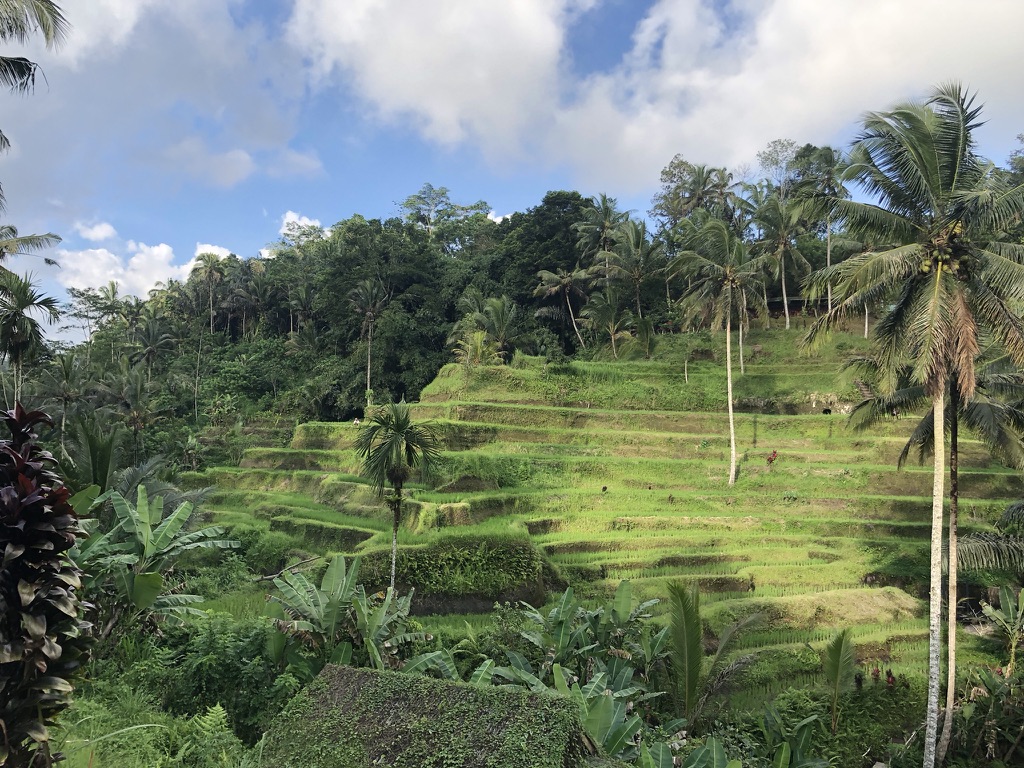
Ubud is the one place on this island that lives up to the hype. It’s tucked into the hills surrounded by rice terraces and jungle, and the pace of life is completely different from the south coast chaos.
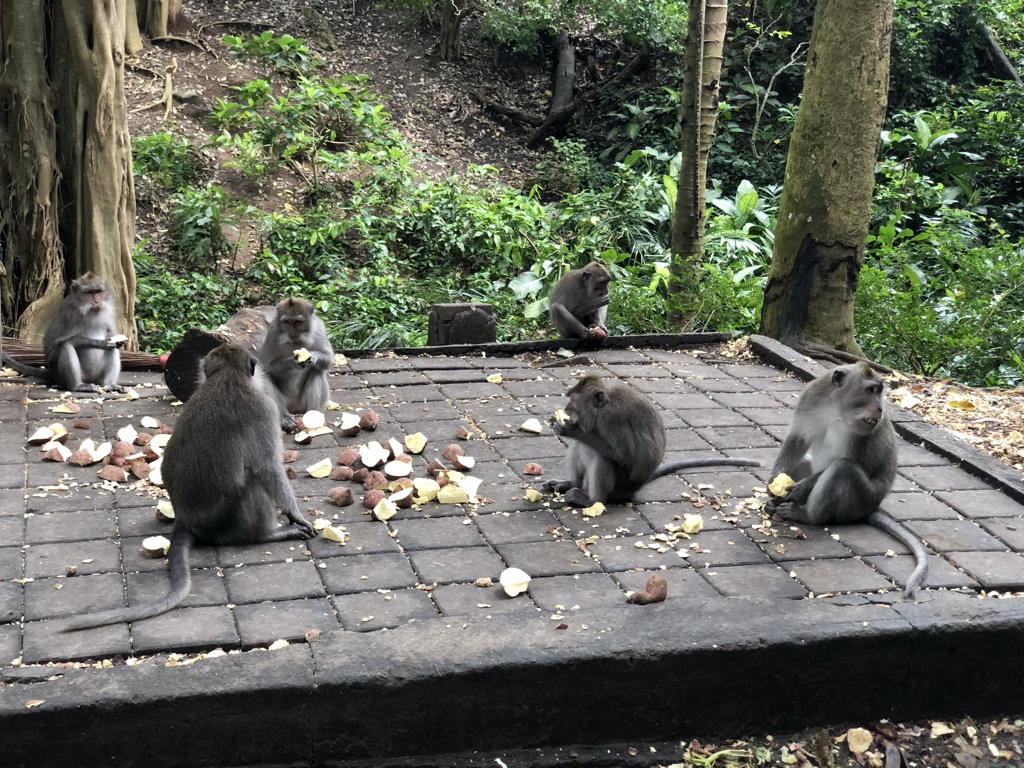
The Monkey Forest Sanctuary is worth the visit — hundreds of long-tailed macaques roaming through ancient temple ruins. Just watch your sunglasses and anything shiny. They will take it.
 The Campuhan Ridge Walk early in the morning is beautiful — panoramic views of the valley with almost nobody around if you go before 7am.
For art and culture, the Agung Rai Museum of Art and Neka Art Museum are both excellent and give you a real sense of Balinese artistic tradition, from classical to contemporary. And if you want a temple that’s actually peaceful rather than packed, Pura Taman Saraswati — the water temple — is stunning without the Instagrammer crowds of some of the more famous ones.
If you only have time for one area in Bali, make it Ubud.
Seminyak: Polished, Pricey, and Pretty Good
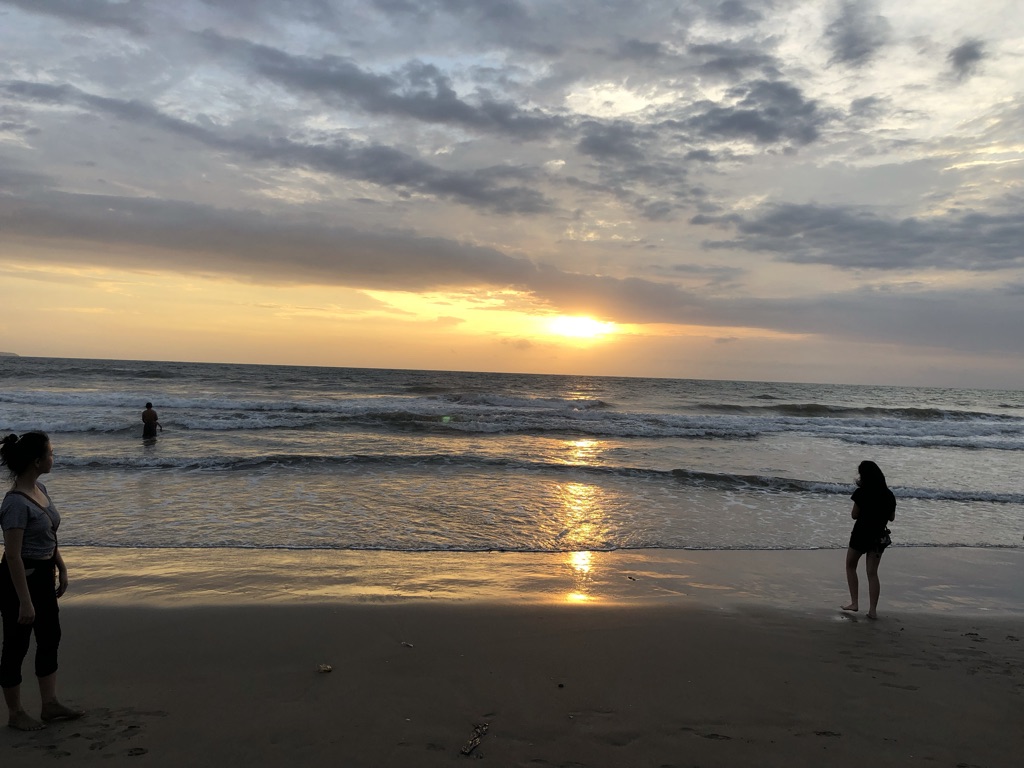
Seminyak is Bali’s upscale beach strip. It’s where the fancy restaurants, boutique hotels, and designer shops are. The beach itself is nice — wide, good sunsets — but it’s not the best swimming beach on the island.
Where Seminyak earns its keep is the food scene. Sarong does incredible pan-Asian cuisine. Potato Head Beach Club is a scene, but the architecture alone (built from reclaimed shutters) makes it worth a drink at sunset. The cocktails are strong and the people-watching is world-class.
For shopping, there are some genuinely good local designers and homeware stores here — it’s not all tourist tat. But be prepared: Seminyak prices are closer to Sydney or Singapore than the rest of Indonesia.
Canggu: The One That Changed
Canggu used to be a sleepy surf village. Now it’s the digital nomad capital of Southeast Asia, and it shows — coworking spaces, smoothie bowls, and Australian-accented brunch menus as far as the eye can see.
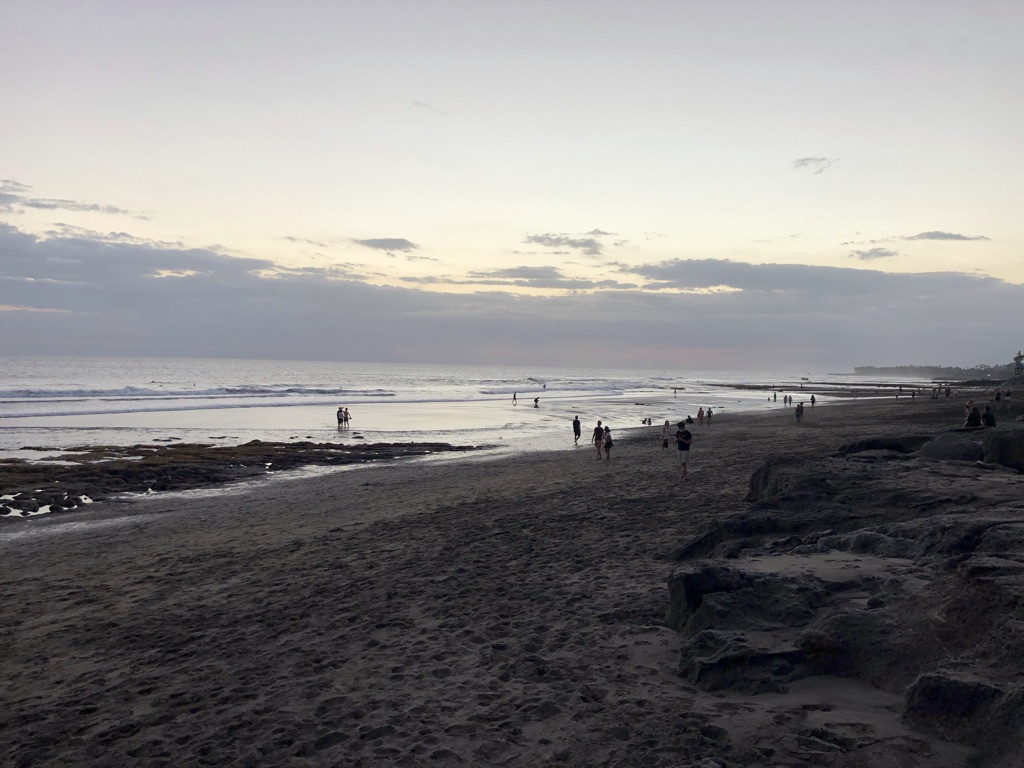
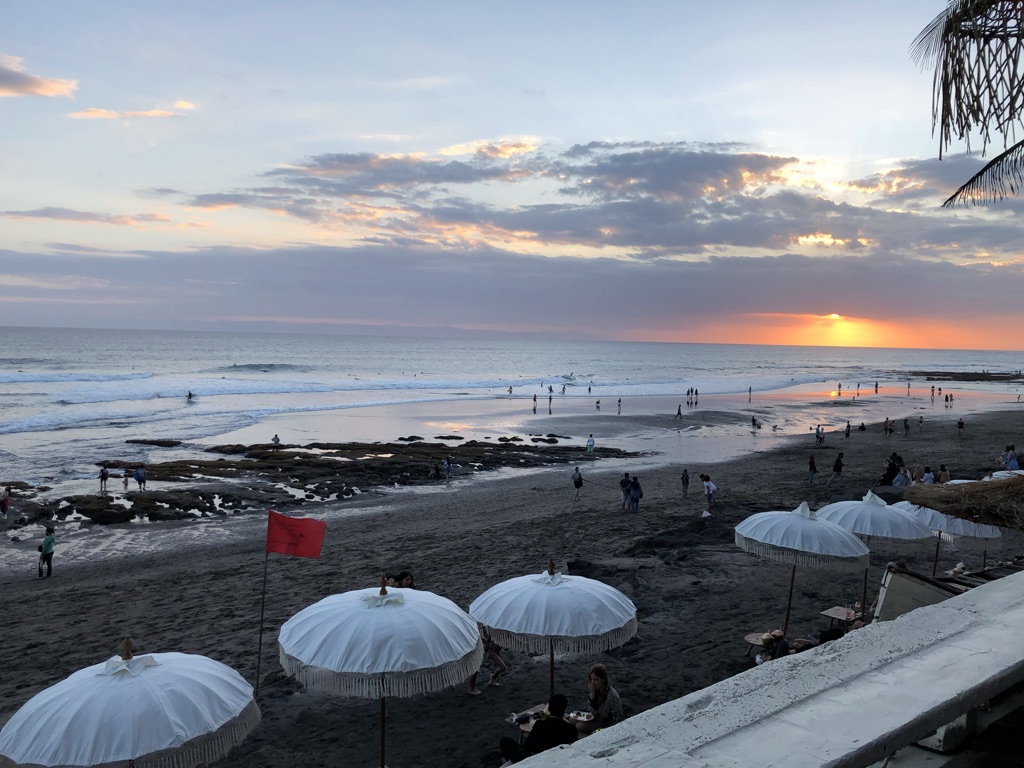
That said, it’s still got charm if you know where to look. Batu Bolong Beach and Echo Beach have decent surf breaks, and the sunset views are hard to beat.
 Deus Ex Machina — the motorbike-shop-turned-cafe — is a genuinely cool spot. Good coffee, good vibes, interesting crowd.
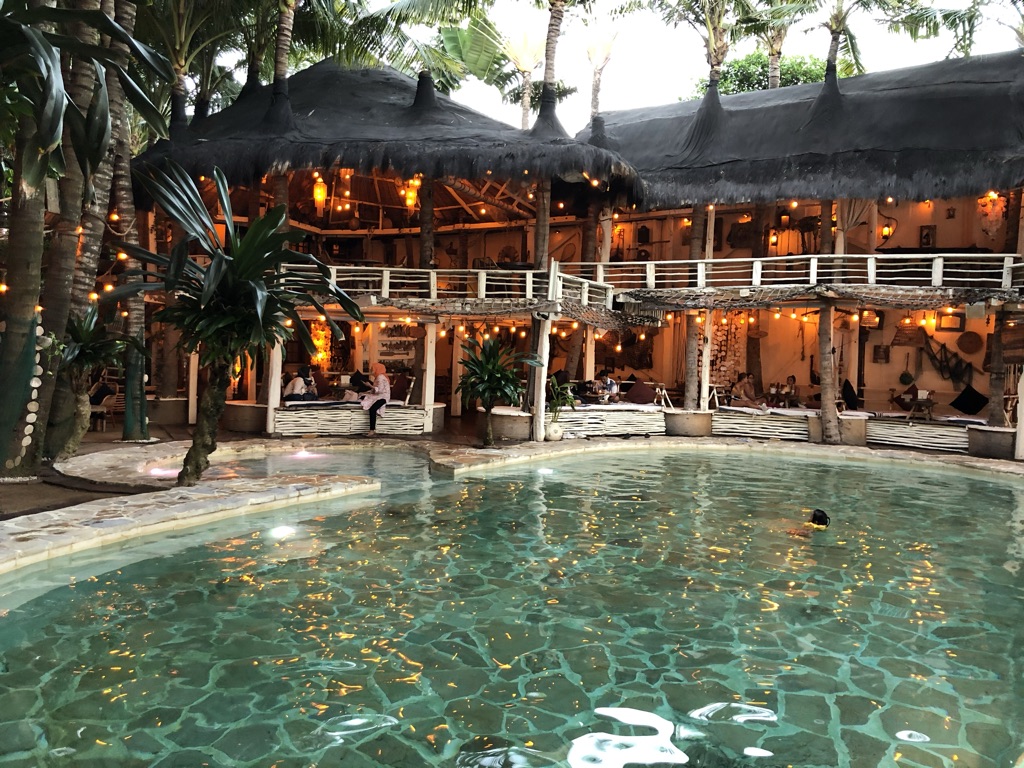
La Brisa on Echo Beach is probably the most photogenic place in all of Canggu. It’s a beach club built from reclaimed fishing boat wood, decorated with shells and fishing nets. The seafood is fresh and the cocktails are creative. Go for a late afternoon session, grab a cabana, and watch the surfers while the sun goes down.
The downside of Canggu: traffic is terrible, development is out of control, and it’s lost some of the rawness that made it special five years ago. It’s still worth a couple of days, but don’t expect the quiet village the older blog posts describe.
Kuta and Legian: Be Honest With Yourself
Look — Kuta gets a bad reputation, and a lot of it is deserved. It’s loud, it’s hectic, and the beach is crowded. But if you want nightlife, this is where it is. Sky Garden is a multi-level rooftop club with different music on every floor, and it draws a massive crowd every night.
Waterbom Bali is here too, and it’s legitimately one of the best water parks in Asia. If you’re traveling with kids or a group of friends, it’s a great day out. Don’t let the Kuta stigma stop you.
My honest take: spend a night out here if you want to, but don’t book your hotel in Kuta. Stay somewhere nicer and just cab in.
Nusa Dua: Quiet on Purpose
Nusa Dua is the gated resort area on the east coast. It’s clean, calm, and completely removed from the chaos of the rest of southern Bali. The beaches are pristine and the water is swimmable — which isn’t a given on this island.
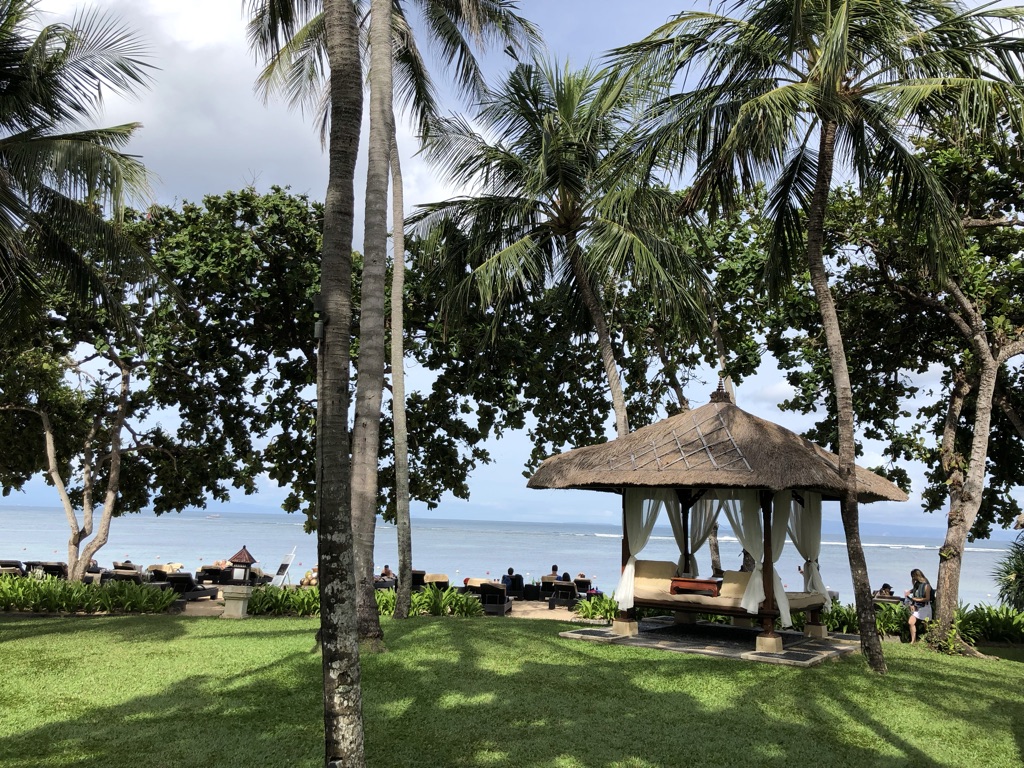
It’s the place to go if you want to do absolutely nothing for a few days and feel good about it. Places like The Laguna Resort & Spa are the kind of property that makes you understand why people come to Nusa Dua and never leave the grounds. The luxury resorts here are genuinely excellent. If you need a break from the break, this is it.
For something cultural, the Pasifika Museum has a surprisingly good collection of art from across Asia and the Pacific. And if you want some adrenaline, Tanjung Benoa nearby has every water sport you can think of — jet skis, parasailing, banana boats, the lot.
Jimbaran: Seafood and Sunsets
Just south of the airport, Jimbaran is famous for its beachfront seafood warungs — rows of tables right on the sand where you pick your fish and they grill it in front of you. It’s touristy, but it’s the good kind of touristy.
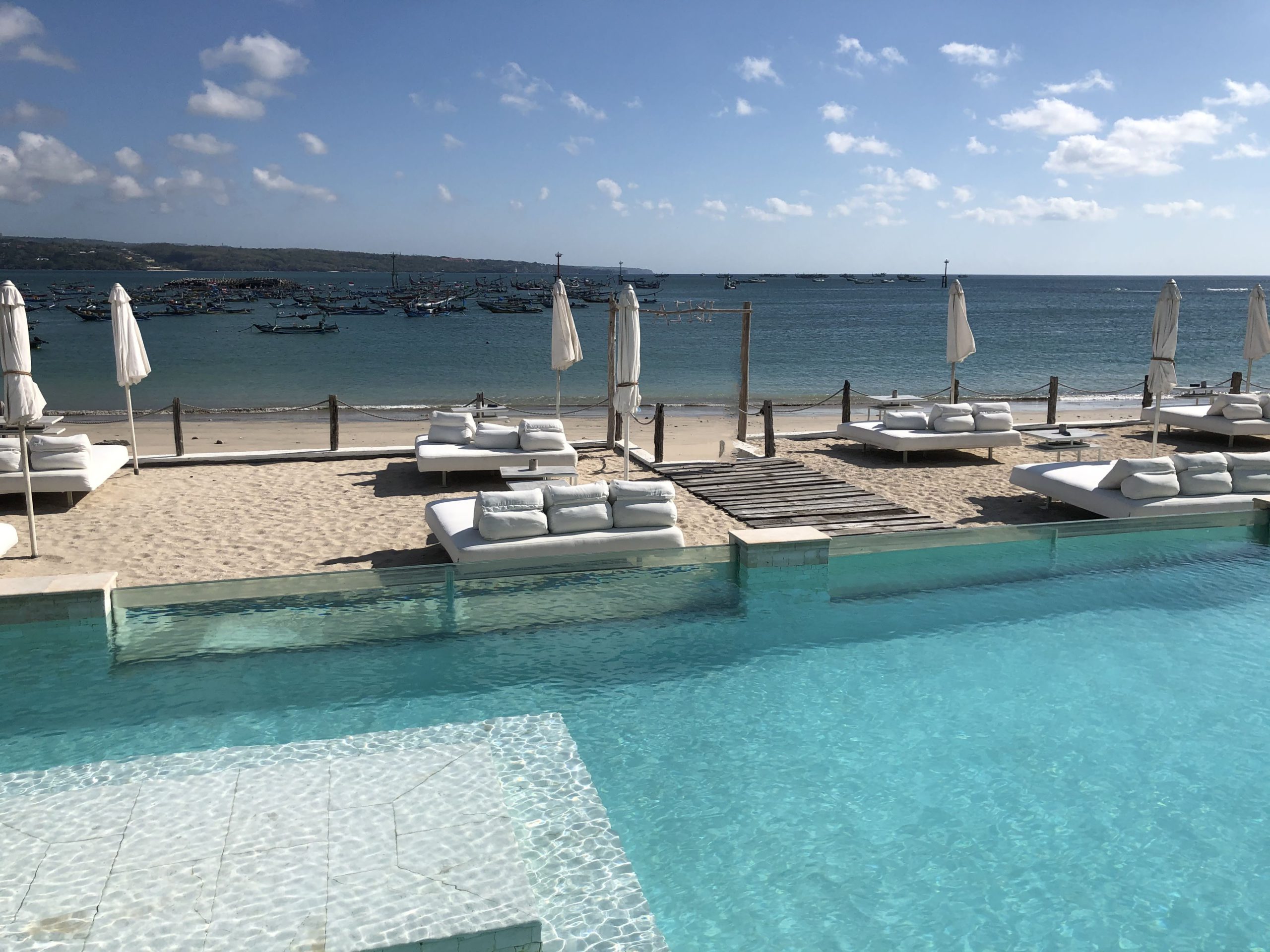
Ibiza Bali on Kelan Beach is a more polished option — a beach club with an infinity pool overlooking the ocean. Great spot for a long afternoon with cocktails and seafood.
What Most Guides Won’t Tell You
The traffic is real. Southern Bali — Kuta, Seminyak, Canggu — has genuinely awful traffic. A 5km ride can take 45 minutes. Plan accordingly, or better yet, rent a scooter if you’re comfortable riding one.
Negotiate everything. Taxis, market prices, tour packages — if someone quotes you a price, it’s almost always the tourist price. Be polite but firm. Grab and Gojek (ride-hailing apps) are your best friends for fair pricing.
The best food is cheap food. Yes, the fancy restaurants are good. But some of my best meals in Bali have been at warungs — small local eateries — where a plate of nasi campur costs 25,000 rupiah (under $2). Don’t eat every meal at a beach club.
Go north. Most tourists never leave the south coast. The north of Bali — Lovina, Munduk, the twin lakes — is quieter, greener, and feels like a completely different island. If you have a week or more, rent a car and drive up.
The Bottom Line
Bali deserves its reputation as a destination, but it’s not the untouched paradise the brochures sell. The south coast is developed, touristy, and increasingly expensive. The magic is in the details — a quiet temple in Ubud at dawn, a plate of babi guling at a roadside warung, the view from a rice terrace before the tour buses arrive.
Go with open eyes, skip the Instagram checklist, and you’ll find the Bali that keeps people coming back.